
Unknown Integrity Risks Continue to Challenge Aging Facility Piping Systems
B. BROWN, Arnold Pipeline Integrity Solutions, Dayton, Texas (U.S.)
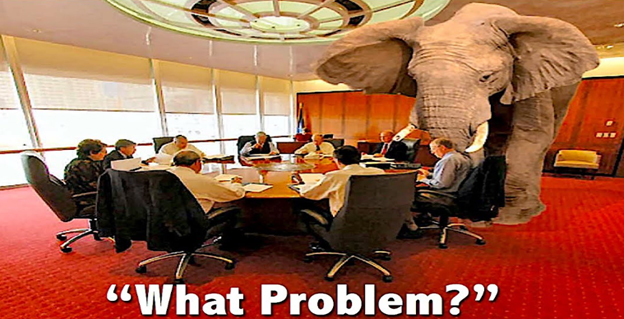
(P&GJ) — There is a proverbial elephant in the room: the unknown mechanical integrity of facility and process piping assets. Across the industry, operators are grappling with integrity challenges affecting multiple pipeline segments and process piping systems, especially buried lines. However, above-grade piping presents its own difficulties, with several damage mechanisms proving challenging to thoroughly identify, mitigate and manage.
Many of the buried assets presenting the greatest concern are legacy systems that have remained in service for decades with minimal inspection or maintenance since startup—some have surpassed 100 yrs of operation. Managing these systems can feel like watching a fragile family heirloom being carried across a crowded room—everyone is on edge, hoping nothing goes wrong, yet uncertain how to intervene.
This uncertainty creates stress for integrity teams tasked with safeguarding assets whose condition is largely unknown. The result is a cycle of reactive decision-making, constrained planning and the constant risk of unplanned outages or regulatory exposure.
A common industry reality. Through discussions with integrity professionals across the sector, a recurring theme emerges: many viable inspection and management approaches are simply not considered or are perceived as impractical. While newer technologies receive attention, numerous operators are achieving meaningful results using methods and tools that have existed for years.
Adoption, however, is rarely immediate. Educating the market—through white papers, conference presentations, technical articles and persistent engagement—can take years. Even after initial interest, it is not uncommon for organizations to require extended evaluation periods to gain alignment among engineering, integrity and executive leadership before implementing unfamiliar approaches.
This is not reluctance; it is a lack of diligence. The stakes are high and change in critical asset integrity management must be deliberate.
Respect for the professionals who built and maintain this industry. Before discussing solutions, it is important to acknowledge the thousands of professionals who have sustained this infrastructure through decades of maintenance, upgrades and replacements. Their work—often performed during long shifts, extended turnarounds and time away from family—has kept the global energy system operating. Some have paid the ultimate price in that effort.
Today’s integrity challenges are not the result of neglect, but of inherited systems, evolving standards and infrastructure that has outlived its original design assumptions.
How do you address the elephant in the room? As the saying goes, the only way to eat an elephant is one bite at a time. Establishing an effective, regulatory-aligned integrity management program for facility piping and pipelines is not inherently difficult; however, no single approach is universally effective. With today’s technologies, and more advanced tools on the horizon, meaningful progress is achievable through a structured, risk-based approach.
Step 1: Establish accurate asset knowledge. The foundation of any integrity program is accurate locating and mapping of subsurface assets. Understanding the true routing and configuration of buried pipelines enables informed decision-making and risk prioritization.
Step 2: Perform risk-based triage. Engineering assessments based on metallurgy, service type, time in service and operating conditions allow operators to categorize assets by risk. This enables tailored inspection strategies, such as:
- Visual inspection programs for lower-risk systems
- Guided wave, radiography or advanced non-destructive examination (NDE) for moderate-risk assets
- Targeted mitigation for corrosion under insulation (CUI) and touchpoint corrosion.
These decisions must remain under the direction of site inspectors and integrity teams who understand facility-specific risks.
Step 3: Reconsider inline inspection (ILI) for facility piping. Historically, ILI was viewed as impractical for process piping due to complex configurations, short-radius bends, multi-diameter systems and varied metallurgy. However, modern ILI technologies are expanding the definition of “piggable.”
Today, there are tools that can traverse configurations once considered impossible. As a result, the “non-piggable” market continues to shrink, opening inspection pathways where none previously existed.
Regulatory pressure is evolving. Regulatory agencies have traditionally avoided prescribing day-to-day integrity management practices within facility boundaries, rather than establishing minimum standards. However, regulatory expectations governing midstream assets are increasingly influencing downstream operations.
When historically unregulated facility assets become the root cause of catastrophic failures, the legal and regulatory consequences can be significant. Plausible deniability is unlikely to withstand scrutiny when proven technologies and risk-based methodologies were available but not utilized.
A call for practical progress. Addressing unknown mechanical integrity is not about adopting every new technology. It is about:
- Establishing accurate asset knowledge
- Applying risk-based inspection strategies
- Leveraging proven technologies—new and established
- Building alignment across engineering, integrity and leadership.
The elephant in the room is not going away, but with deliberate, informed action, it can be addressed—one bite at a time.
About the author
Bucky Brown is an integrity solutions specialist with more than 20 yrs of experience supporting midstream and downstream operators across North America. He began his career in construction and repair, then moving into branch management overseeing pipeline pigging and inspection activities, and later transitioning into executive and commercial leadership roles focused on ILI, hydrotesting and asset lifecycle integrity solutions. Today, Brown works closely with operators to develop value-driven integrity solutions that reduce risk, extend asset life and improve operational reliability. He specializes in bridging field execution with executive-level decision-making to deliver practical, result-oriented solutions.