
Unlocking Hidden Capacity in Long-Distance Pipelines
Ramindu Heiyantuduwa, Solution Offering Lead for Pipelines & Terminals, Honeywell Process Automation
As new pipeline infrastructure becomes slower and costlier to deliver, operators face mounting pressure to extract more value from existing assets. The next frontier is not more pipe, it is smarter operating decisions: identifying where hidden capacity exists, protecting the safe operating envelope and building resilience into every kilometer (km) of the network.
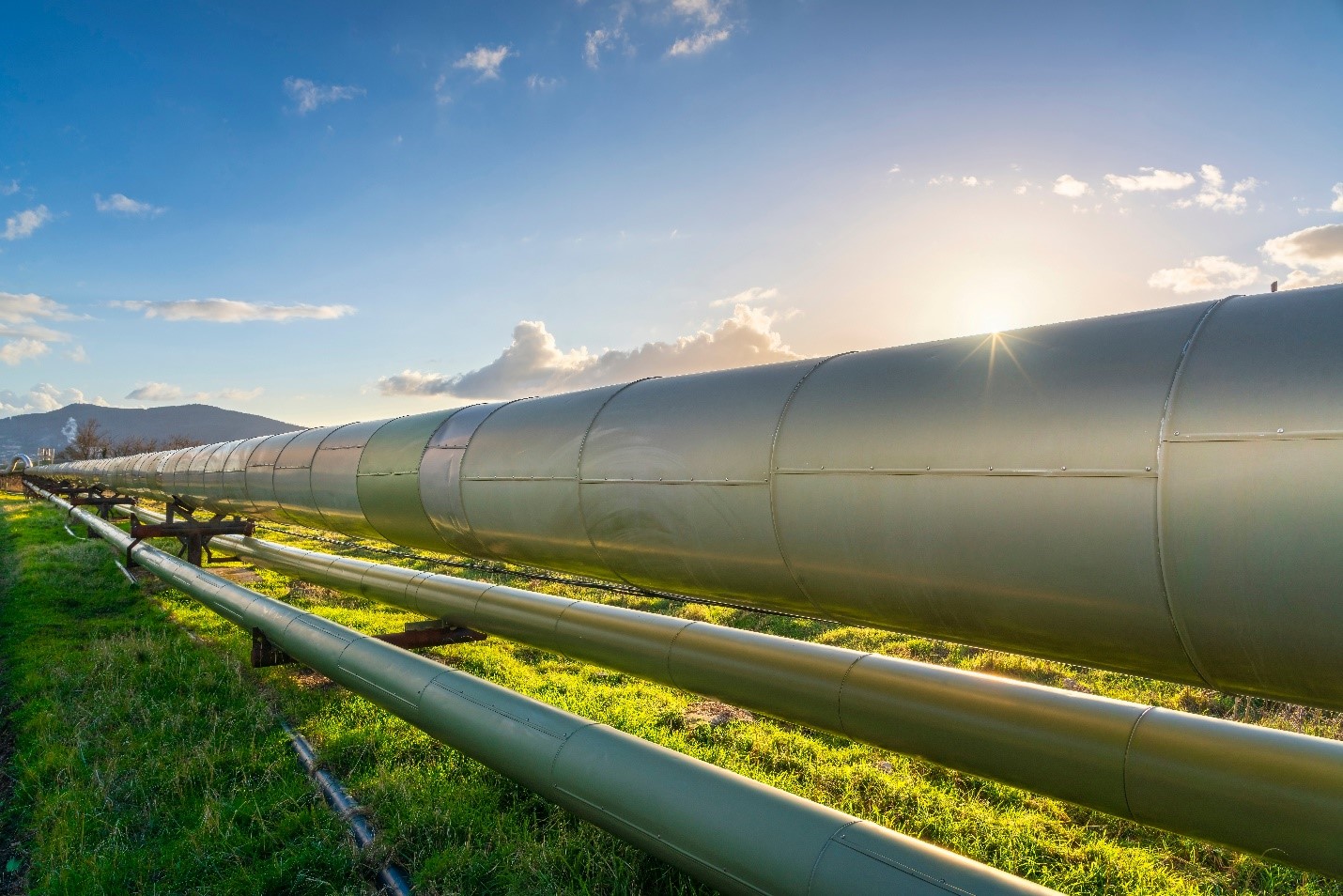
The Shifting Calculus of Capacity
For much of the industry, the traditional answer to rising demand was straightforward: build more add compression, looping, storage or new line. That logic still applies, but in today’s environment, permitting timelines have lengthened, right-of-way (ROW) reviews are more demanding and capital discipline is tighter. Operators are being asked to deliver more throughput, greater reliability and lower emissions from infrastructure that is already aging.
The leadership question has evolved. It is no longer only: How much was this system designed to carry? It is now: How much safe, reliable, commercially usable capacity can we unlock from what we already have?
Finding the Active Bottleneck
Hidden capacity rarely sits behind a single bottleneck. It lies at the intersection of hydraulics, equipment availability, product behavior, operating policy and downstream receipt conditions. Some of the highest-return programs begin not with a technology shopping list, but with identifying the active constraint.
Is the real limit surge margin, a degraded compressor, product temperature, conservative station sequencing or the terminal’s ability to absorb product on schedule? Optimizing everything equally rarely delivers results. Target the constraint that is actually limiting usable throughput.
Hidden capacity is real. Unlocking it is a matter of understanding constraints more clearly and making decisions faster without pushing assets harder.
The Safe Operating Envelope
Capacity improvement only creates value when it remains inside defensible pressure, surge and equipment limits. The objective is not to erase the envelope, it is to understand it better and operate inside it more confidently. Many pipelines still rely on static rules and conservative setpoints that leave material value on the table. Stronger visibility into nominations, weather, product temperature and hydraulic conditions enables better decisions on lineups, line pack, sequencing and energy use.
From Data to Decisions
Data only becomes valuable when it improves decisions. That requires integration across supervisory control and data acquisition (SCADA), pipeline models, field instrumentation and operating context shifting operators from reacting to alarms to anticipating constraints, and from managing isolated stations to coordinating the full network. The most effective simulations are living decision-support tools that convert engineering insight into validated operating playbooks, not one-off studies that sit on a shelf.
Reliability as a Capacity Lever
Reliability is a direct throughput driver, not merely a maintenance concern. A single degraded pump, compressor, valve, remote terminal unit (RTU) or communication link can quietly become the practical ceiling on the entire system. The best operators ask which asset is most likely to restrict capacity or create operational risk, not only which is next on the maintenance schedule.
Improvement Beyond the Fence Line
For liquid pipeline systems, the true bottleneck is often not the line itself, it is the handoff into the terminal. Tank ullage constraints, sequencing requirements, product compatibility windows and outbound dispatch schedules can cap practical line throughput just as effectively as any hydraulic limitation. A pipeline ready to move more product creates no commercial value if the receiving terminal cannot absorb it on time.
Resilience and Operational Technology (OT) Cybersecurity
Pipelines are critical infrastructure, and that changes operating expectations. Improving normal conditions is no longer sufficient—operators must be able to see, decide and act safely under degraded conditions too, demanding stronger control-room resilience, clear failover procedures and alternate operating capability.
OT cybersecurity belongs inside this resilience conversation from the outset. When SCADA, telecoms, remote access and control room workflows are interconnected across hundreds of km, cyber disruption is an operational disruption, not an information technology (IT) incident.
The Role of AI
AI becomes useful in pipeline operations when it is practical, explainable and grounded in real operating context. Its role is to act as a trusted advisor surfacing hidden constraints, recommending better setpoints and helping teams respond earlier to emerging conditions. The governing principle is non-negotiable: AI must improve inside the safe operating envelope, not outside it.
AI should act as a trusted advisor within the safe operating envelope comparing options faster, surfacing hidden constraints, helping teams respond earlier.
The Leadership Opportunity
The future of pipeline performance will not be defined solely by new infrastructure, it will also be defined by how intelligently existing systems are operated. For operators willing to approach it systematically aligning hydraulic insight, equipment reliability, terminal integration, resilience and intelligent decision support, unlocking hidden capacity is one of the most practical paths to higher throughput, lower cost and stronger long-term performance without defaulting to new pipe.
Key Takeaways
- Target the active constraint not every variable simultaneously.
- Capacity improvement only creates value inside the safe operating envelope.
- Reliability is a throughput lever; one degraded asset can cap the whole system.
- Terminal integration ullage, sequencing and dispatch is often the binding constraint.
- OT cybersecurity is an operational issue, not an IT compliance checkbox.
- AI should act as a trusted advisor within the envelope, not replace operator judgement.