
Permian Constraints Keep Waha Gas Prices Negative for Record Stretch as U.S. Markets Weaken
Permian pipeline constraints are keeping Waha Hub gas prices negative for a record stretch, underscoring ongoing takeaway bottlenecks. Weak demand and strong renewable output are also pushing power and gas prices below zero in Texas and California.
(Reuters) — Pipeline constraints in the Permian Basin continued to pressure U.S. natural gas markets, with prices at the Waha Hub remaining in negative territory for a record 47 consecutive days.
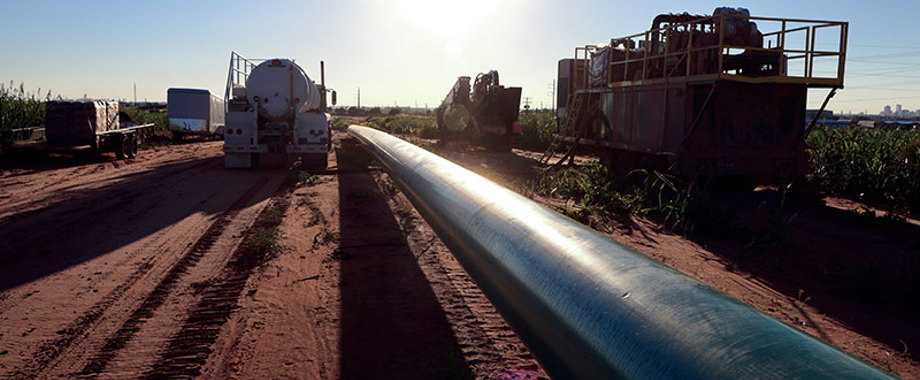
Limited takeaway capacity has trapped associated gas production in West Texas, forcing producers to discount or effectively pay to move volumes out of the region. Analysts have long cited insufficient pipeline infrastructure as a key bottleneck, with additional capacity not expected to come online until later this year.
The sustained weakness in Permian pricing comes as broader U.S. gas and power markets also softened. Spot power and natural gas prices in Texas and California turned negative on April 14, as mild weather reduced both heating and cooling demand.
In California, weak demand combined with strong renewable output pushed power prices at the SP-15 hub below zero, while gas prices at the PG&E Citygate fell to near-record lows.
Across the western U.S., above-normal water flows are boosting hydropower generation, further displacing gas-fired demand. The Northwest River Forecast Center expects water flows at The Dalles Dam to average above normal levels this year, supporting elevated renewable output.
Despite global market volatility, domestic fundamentals—high production, limited pipeline capacity in the Permian, and weak seasonal demand—continue to weigh on U.S. gas pricing.