

Oil Jumps 3% as Trump Rejects Iran Peace Response
Oil prices climbed more than 3% after President Trump rejected Iran’s latest response to a U.S. proposal, fueling new concerns over Strait of Hormuz supply disruptions.
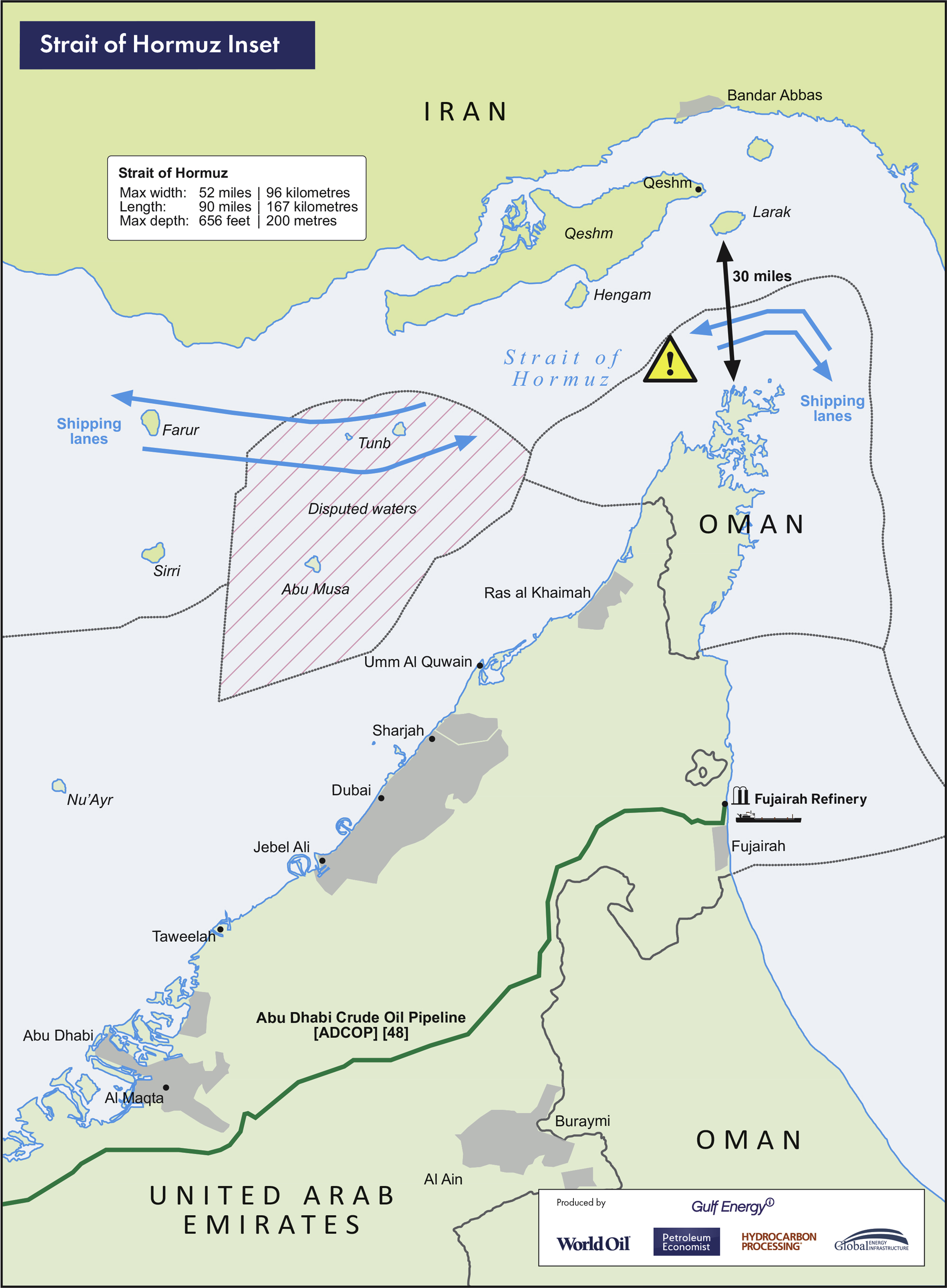
(Reuters) — Oil prices rallied on May 11, a day after President Donald Trump said Iran's response to a U.S. peace proposal was "unacceptable", raising supply fears as the Strait of Hormuz stayed largely closed, which kept the global market tight.
Brent crude futures climbed $3, or 3%, to $104.32 a barrel at 1152 GMT. U.S. West Texas Intermediate was at $98.40 a barrel, up $3, or 3.2%. They rose to $105.99 and $100.37 a barrel, respectively, earlier in the session.
Last week, both contracts recorded 6% weekly losses on hopes for an imminent end to the 10-week-old conflict that would allow oil transit through the Strait of Hormuz.
"Despite reassuring noises that back channels are still open and the parties are talking, our take is that the U.S. and Iran are as far away from agreement as when this supposed ceasefire started," PVM Oil Associates analyst John Evans said. "We do not see anything changing before Donald Trump visits China and asks for Beijing's aid in pressuring Iran."
Trump is scheduled to arrive in Beijing on Wednesday and is expected to discuss Iran among other topics with Chinese President Xi Jinping, according to U.S. officials.
The world has lost about 1 billion barrels of oil over the past two months and energy markets will take time to stabilize even if flows resume, Saudi Aramco CEO Amin Nasser said on May 10.
Saudi Arabian crude oil exports to China are expected to fall further in June after buyers cut nominations because of costly prices linked to the U.S.-Iran conflict and lower supplies, trade sources told Reuters.
Meanwhile, three tankers carrying crude exited the Strait last week and on Sunday with trackers switched off to avoid Iranian attacks, Kpler shipping data showed. One was loaded with Iraqi crude and bound for Vietnam.
A second Qatari liquefied natural gas tanker is transiting the strait as well, heading northeast toward Port Qasim in Pakistan, where it is expected to arrive on May 12, according to LSEG shipping data.
Japan's industry ministry said a tanker carrying Azerbaijani crude oil was set to arrive as early as May 12, the first cargo of oil received from Central Asia since the Iran war began.
JPMorgan analysts expect oil prices to remain in the low $100s for most of the rest of this year, averaging $97 for 2026 and highlighting that there would not be a quick normalization once the Strait of Hormuz reopens.
In an attempt to hedge prices and ensure revenue, U.S. producer Diamondback Energy bought options to sell the price difference between U.S. West Texas Intermediate crude and Brent at around minus $42 a barrel in the coming months, a bet that could pay off if the U.S. banned oil exports. This would lead to a rise in domestic inventory as U.S. refiners typically process less domestic crude than is produced in the country and would push down WTI prices and widen its discount to Brent.