

U.S. Gulf Heavy Crude Hits Highest Since 2020 on Iran War
U.S. Gulf Coast heavy crude prices surged to their highest levels since 2020 as the Iran war disrupted Middle East supply and forced refiners to seek replacement barrels.
(Reuters) — U.S. Gulf Coast heavy grades continued to surge on March 6 as the Iran conflict spurred several Middle Eastern producers of heavy crude to curtail production and drove buyers to scoop up U.S. barrels.
Prices of Mars sour crude, the flagship crude produced in the U.S. Gulf of Mexico and favored by refiners globally, traded at a $11 premium to U.S. benchmark West Texas Intermediate (WTI) crude on March 6, brokers said. That was the highest since April 2020, and up $4 from March 5.
Just a week ago it traded at a premium of $1.50.
Other heavy grades such as the Heavy Louisiana Sweet WTC-HLS and the West Texas Sour WTC-WTS also rose.
Benchmark crude oil prices have surged since the initial attacks last week, with Brent crude settling at $92.69 a barrel, its highest level since October 2023 on March 6.
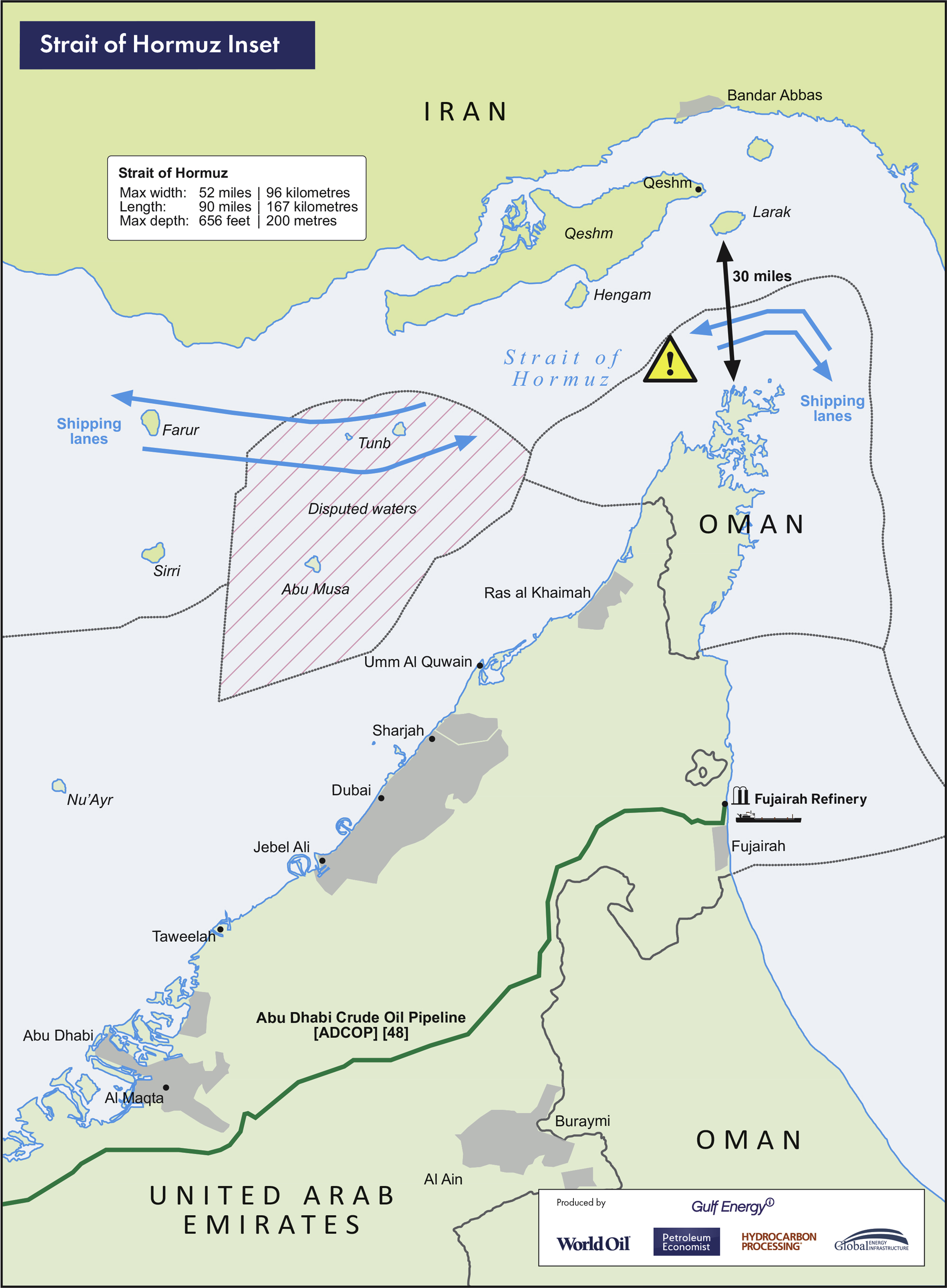
The effective closure of the Strait of Hormuz has forced several countries, including Iraq, to curb output. The strait is a key route for medium and heavy sour crude from the Persian Gulf, and those flows are now largely cut off. Additional production cuts announced in Kuwait on March 6 also helped lift Mars prices, a trader said.
“Refiners that rely on these grades will need to find similar, or roughly similar, alternatives to replace the lost barrels, so Mars and other U.S. Gulf sour heavies and mediums are natural substitutes and are getting bid up aggressively,” said Matthew Lewis, founder of Plainview Energy Analytics, adding that buyers, especially in Asia, are scrambling for more of these medium and heavy crude barrels.
"This time of year also marks the shift from winter into driving season, when demand typically rises across all crude grades," said Tim Snyder, chief economist at Matador Economics, adding that ultimately the supply disruption caused by war was driving prices.
"In the short term we will continue to see these grades rise until we see the Strait of Hormuz open up," Snyder said.