

Oil Falls as UAE Output Drops After Fujairah Export Attack
Oil prices fell as attacks on Gulf export infrastructure disrupted production and forced shut-ins in the UAE, while global efforts intensify to reopen the Strait of Hormuz.
(Reuters) — Oil prices fell on March 16 amid attacks on Gulf oil production and U.S. President Donald Trump's call for global efforts to secure the Strait of Hormuz.
Brent crude futures were down 92 cents at $102.22 a barrel by 1248 GMT while U.S. West Texas Intermediate crude was down $3.45, or 3.5%, to $95.26.
Both contracts have surged more than 40% this month to their highest since 2022, after the U.S.-Israeli attacks on Iran prompted Tehran to halt shipping through the Strait of Hormuz, a critical waterway for a fifth of global oil and LNG supplies.
The United Arab Emirates' daily oil output is down by more than half as the Iran conflict and the effective closure of the Strait of Hormuz forced state oil giant ADNOC to implement widespread production shut-ins, two sources told Reuters.
ADNOC has suspended crude loading operations at the United Arab Emirates port of Fujairah, a source familiar with the situation told Reuters on Monday, after a drone attack triggered fires at the key export terminal.
Some Loadings Resume at Fujairah Port
Some other loading at the hub has resumed, however, two other sources said, with one saying two of the port's three single point moorings, at which ships dock, are operational.
Fujairah, outside the Strait of Hormuz, is the outlet for about 1 million barrels per day of the UAE's flagship Murban crude oil - a volume equal to about 1% of world demand.
President Donald Trump is speaking with European allies and many other nations about opening the Strait of Hormuz, White House Press Secretary Karoline Leavitt said during an interview with Fox News on Monday.
British Prime Minister Keir Starmer said on March 16 Britain would not be drawn into a wider war in Iran but would work with allies on a "viable" plan to reopen the Strait of Hormuz.
U.S. Treasury Secretary Scott Bessent told CNBC on March 16 the Treasury had not intervened in oil markets, and any U.S. action to mitigate higher prices would depend on the duration of the war.
The war in the Middle East is creating the biggest oil supply disruption in history, the International Energy Agency said on Thursday, as major oil producers such as Saudi Arabia, Iraq and the UAE cut production.
PVM analyst Tamas Varga said investors recognized that consequences of a prolonged conflict would be severe, especially as inventories are steadily depleted, with so much damage already to production, exports and refining from just two weeks of disruption at the Strait of Hormuz.
Further Strikes on Kharg Island?
Over the weekend, Trump threatened further strikes on Iran's Kharg Island, which handles about 90% of its exports, after hitting military targets there and spurring further retaliation from Tehran.
The U.S. is in contact with Iran, Trump said, though he doubted Tehran was prepared for serious talks to end the conflict.
On March 15, the International Energy Agency said more than 400 million barrels of oil reserves will begin flowing to the market soon, a record draw aimed at combating price spikes caused by the Middle East war.
Stocks from countries in Asia and Oceania will be released immediately, while those from Europe and the Americas would be available at the end of March, the agency said.
"As the conflict enters its third week, the lack of a clear denouement has left global markets increasingly worried about an uncontrollable escalatory spiral," SEB's Meyersson said.
Still, U.S. Energy Secretary Chris Wright said on Sunday he expected an end to the war within "the next few weeks," with oil supplies rebounding and energy costs falling afterwards.
Why Does the Port of Fujairah Matter to the Oil Market?
Oil loadings at the United Arab Emirates' Fujairah port, a major global hub for refueling ships as well as crude and fuel exports, have been disrupted after multiple drone attacks in recent days.
Why Does Fujairah Matter Globally?
Fujairah exported more than 1.7 million barrels per day of crude oil and refined fuels on average last year, according to Kpler data, a volume equal to about 1.7% of daily world demand.
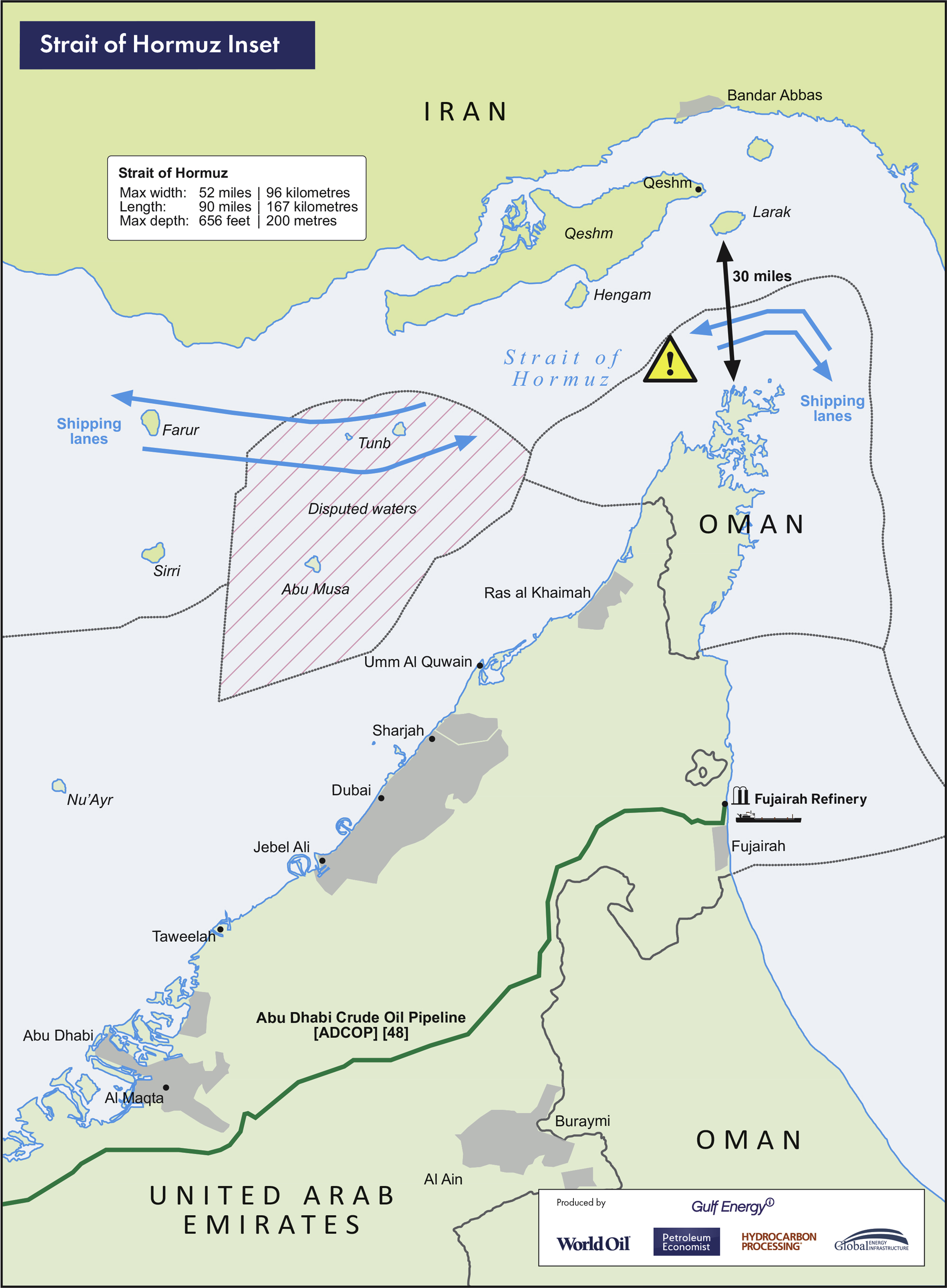
The port is located on the Gulf of Oman, approximately 70 nautical miles from the Strait of Hormuz, which is effectively closed due to the Iran war, increasing the importance of Fujairah's flows to the global market during the current conflict.
It sold 7.4 million cubic meters (about 7.33 million metric tons) of marine fuels in 2025, making it the fourth largest in the world after Singapore, Rotterdam and China's Zhoushan.
Why Does It Matter to The UAE?
The UAE, which before the war began produced more than 3.4 million bpd of crude, operates a 1.5 million bpd pipeline that can transport some crude to bypass the Strait of Hormuz.
The Abu Dhabi Crude Oil Pipeline (ADCOP), also known as the Habshan–Fujairah Pipeline, transports oil from Abu Dhabi’s fields to Fujairah. The port loads the UAE crude grade Murban, sold mostly to buyers in Asia.
With Hormuz largely shut to exports, significant disruptions at Fujairah would force OPEC’s third‑largest crude producer to shut down more production.
Why Does It Matter to Crude and Fuel Markets?
The port has a storage capacity of 18 million cubic metres, making it one of the world's top hubs for storing crude and fuels as well as blending operations.
Blending in the oil industry is the process of mixing different petroleum components to create finished products such as gasoline and bunker fuels that meet specific standards.
Major global storage companies operate at the port, including VTTI, Vitol, ADNOC and Vopak.
The Fujairah Oil Industry Zone hosts the Middle East’s largest commercial storage capacity for refined products.