

Hormuz Reopens, but Supply Risks Persist Despite Ceasefire
The Strait of Hormuz has reopened to commercial shipping following a ceasefire, allowing oil and LNG flows to resume. However, supply recovery is expected to take weeks, with risks remaining amid ongoing geopolitical tensions and a continued U.S. military presence.
(Reuters) — Oil prices fell sharply on Friday after Iran said commercial vessels could resume transiting the Strait of Hormuz during a ceasefire period, signaling a partial reopening of the key energy shipping route.
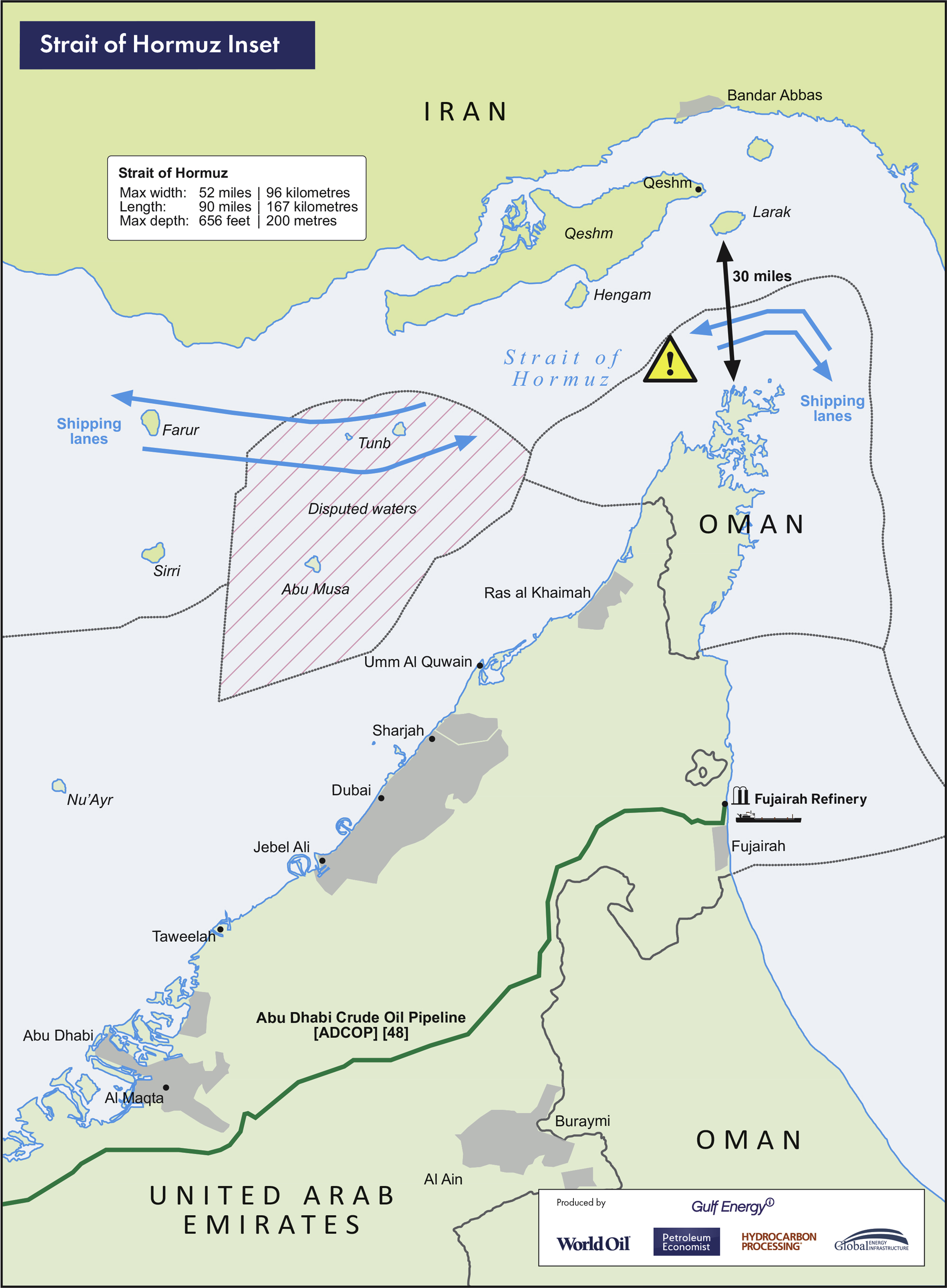
Iran’s foreign minister said passage would be open for commercial vessels, while U.S. President Donald Trump said Iran had agreed not to close the strait again. The waterway typically carries about 20% of global oil and LNG shipments.
“Crude is shifting back toward pricing actual flow normalization rather than disruption risk,” Gelber & Associates analysts said in a note.
The reopening follows progress in U.S.-Iran negotiations, with officials discussing a potential framework to ease tensions. However, a U.S. official said a military blockade of Iran remains in effect, underscoring ongoing uncertainty.
Analysts cautioned that supply normalization will take time. It can take roughly 21 days for shipments from the Gulf to reach Europe, meaning markets may remain tight in the near term even as flows resume.
“There are no bombs falling, but the amount of ships making it through the Strait is no better than it was before,” analysts said, highlighting continued constraints on traffic.