
Trump Touts Oil Price Gains, Says ‘We Make a Lot of Money,’ Angering Lawmakers
Oil prices surged past $100 a barrel as the widening Iran conflict disrupted tanker traffic and closed the Strait of Hormuz, triggering sharp market reactions and political debate in Washington.
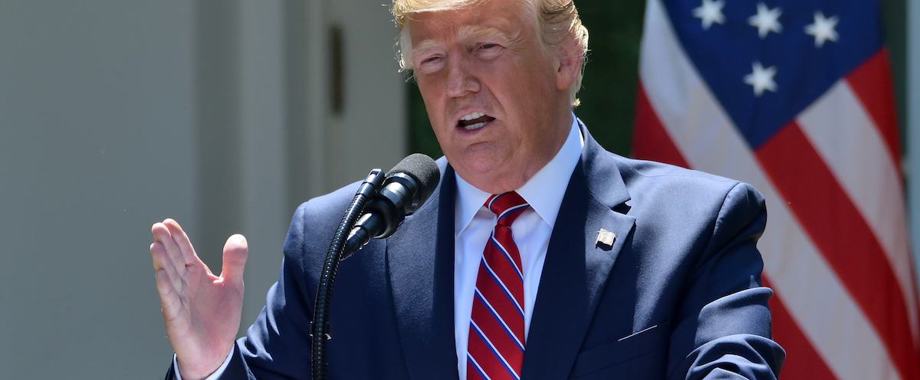
(Reuters) — U.S. President Donald Trump said on March 12 the United States stood to make significant money from oil prices driven higher by the war with Iran, prompting criticism from some lawmakers who accused him of caring only about rich people.
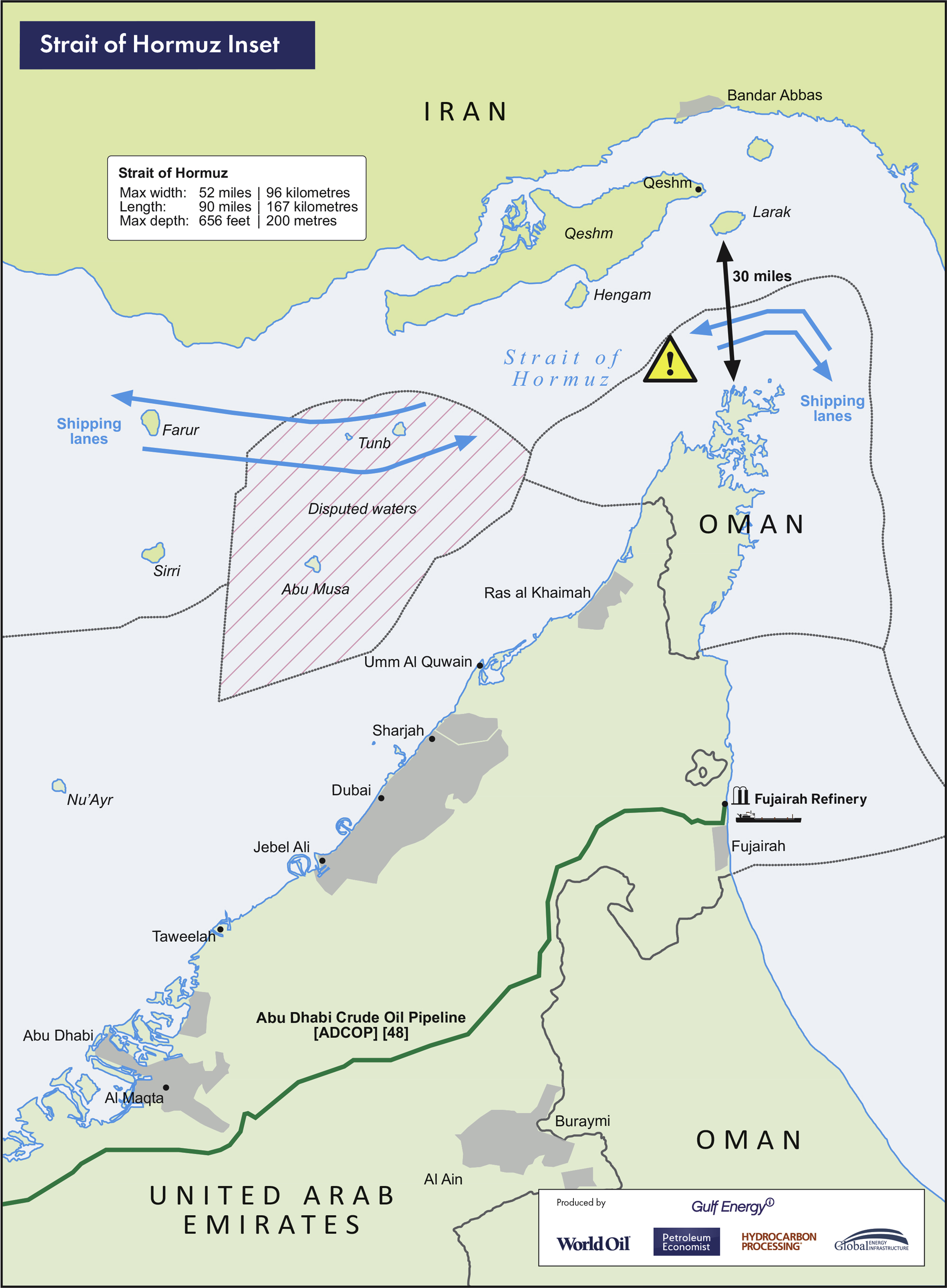
Oil prices jumped more than 9% to $100 a barrel, as the U.S.-Israeli war with Iran widened. Two crude tankers blazed in an Iraqi port after a hit by suspected Iranian explosive-laden boats, while scores of other oil-laden ships remained stranded with the Strait of Hormuz shuttered.
Trump, a Republican, wrote on social media: "The United States is the largest Oil Producer in the World, by far, so when oil prices go up, we make a lot of money." But stopping Iran from having nuclear weapons was far more important, he said.
U.S. Senator Mark Kelly, an Arizona Democrat, responded that working Americans were being hurt by the war Trump started.
"The only ones benefiting from gas prices skyrocketing are the big oil companies," Kelly, a potential presidential candidate in 2028, wrote on X. "But it makes sense why Trump is happy about it because he's only ever cared about rich people."
At least two other Democratic lawmakers, Representatives Mark Pocan of Wisconsin and Don Beyer of Virginia, made similar comments on X.
The White House did not immediately respond to a request for comment about their criticism.
U.S. Gasoline Prices Rise
Republican Senator Thom Tillis of North Carolina, asked about Trump's post, said while the president and his administration may be taking a longer view of the war and costs, most Americans were dealing with weekly budgets.
U.S. gasoline prices continue to spike 13 days into the war, even after more than 30 countries in the International Energy Agency, including the U.S., announced a release of a record 400 million barrels of oil from global reserves.
In another attempt to control prices, the Trump administration is considering waiving a shipping rule known as the Jones Act temporarily to ensure energy and agricultural products can move freely between U.S. ports, the White House said. Waiving the rule would allow foreign ships to carry fuel between U.S. ports, potentially lowering costs and speeding deliveries.
Trump told Reuters in an interview earlier this month that he was not concerned about rising gas prices and that they would fall "very rapidly" when the conflict ends, something energy analysts have disputed as the war stretches toward a second full week.
$200 Oil Unlikely, Energy Chief Says
Energy Secretary Chris Wright said on March 12 that oil prices were unlikely to reach $200 a barrel.
"I would say unlikely, but we are focused on the military operation and solving a problem," Wright told CNN when asked if prices would reach $200 a barrel - a level that an Iranian official said prices could hit if the war further escalates.
Wright's use of the word "unlikely" was a veiled concession that a spike to $200 was possible, though he repeated that the price jump would last weeks, not months.
Brent oil hit all-time highs in 2008 of around $147 per barrel, on tension between the West and Iran over its nuclear program, a weak U.S. dollar and inflation fears.
This time, analysts say, oil prices could remain high because of the strait's unprecedented shuttering. Iran's new Supreme Leader Mojtaba Khamenei said on March 12 the strait should remain closed as a pressure tool.
"Get ready for the oil barrel to be at $200 because the oil price depends on the regional security which you have destabilized," Ebrahim Zolfaqari, the spokesperson for Tehran's Khatam al-Anbiya military command headquarters, said on March 11.
Wright told CNN: "We're in the midst of a significant disruption in the short term to fix the security of energy flow for the long term." The administration was focused on "pragmatic solutions ... to get through these few weeks of tight energy supply," he said.
On March 11, Trump urged oil companies to travel through the strait despite the risks. "I think they should use the strait," Trump said. Asked if Iranian mines were in the strait, he added: "We don't think so."
Wright told CNBC on March 12 that the U.S. Navy cannot escort ships through the Strait of Hormuz now, but it was "quite likely" that could happen by the end of the month.
He said the energy shortages were less likely to affect the U.S. and other Western Hemisphere countries. "There's no shortage or even really tight oil market in the Western Hemisphere. The issue's in Asia," Wright said.