
Harvest Unit Seeks FERC Approval to Expand Kenai LNG Import Capacity in Alaska
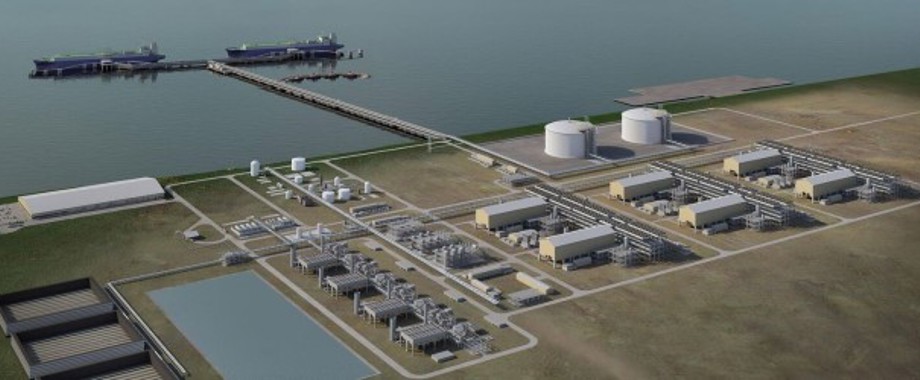
Harvest Midstream affiliate Trans-Foreland has filed with FERC to expand the Kenai LNG Terminal in Alaska, seeking to add LNG import and send-out capacity to address forecasted regional gas supply shortages.
(P&GJ) — A Harvest Midstream affiliate has filed with federal regulators to amend and expand its previously approved Kenai LNG cool-down project in Alaska, seeking to add liquefied natural gas import capacity to address looming regional supply shortfalls.
Trans-Foreland Pipeline Company LLC, a unit of Harvest Alaska, submitted the application to the Federal Energy Regulatory Commission (FERC) on Jan. 9, requesting authorization to expand the Kenai LNG Terminal’s import and regasification capabilities. The filing seeks approval to receive up to 0.4 million metric tons per year of LNG and achieve send-out capacity of up to 20 Bcf per year.
The proposed expansion would modify portions of the original Kenai LNG Cool Down Project authorized in 2020, replacing certain facilities with higher-efficiency vaporization equipment, additional boil-off gas (BOG) compressors, an enhanced LNG transfer system and new LNG recirculation pumps. All construction would occur within the existing terminal site on the Kenai Peninsula, about 50 miles southwest of Anchorage.
According to the filing, the expansion is intended to improve supply reliability in southcentral Alaska, where natural gas production from the Cook Inlet basin is forecast to decline and fall short of demand as early as 2027. By the early 2030s, the projected supply deficit could reach more than 40 Bcf per year.
The Kenai LNG Terminal, which began operations in 1969 as an LNG export facility, has remained in a warm-idle state since 2015. Harvest Alaska acquired the terminal from Marathon Petroleum in October 2025.
If approved, the expanded facilities would allow imported LNG to be regasified and delivered into existing pipeline systems serving utilities and industrial customers across the region. Trans-Foreland requested that FERC issue an authorization order by July 31, 2026, to allow the project to enter service ahead of the forecasted supply shortfall.