
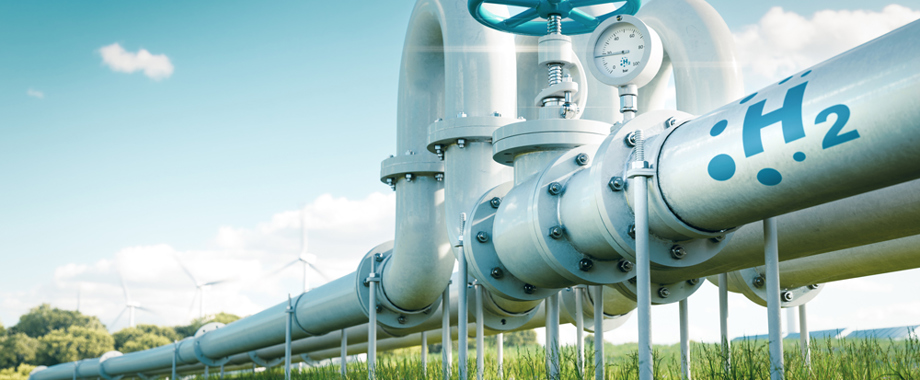
First Rotterdam Hydrogen Pipeline Segment Nears Completion
The Port of Rotterdam’s first hydrogen pipeline segment is nearing completion, laying the groundwork for a regional hydrogen transport network serving industrial users.
(P&GJ) — Construction of a hydrogen pipeline serving the Port of Rotterdam is nearing completion, marking the first operational segment of what is planned to become a broader European hydrogen transport network.
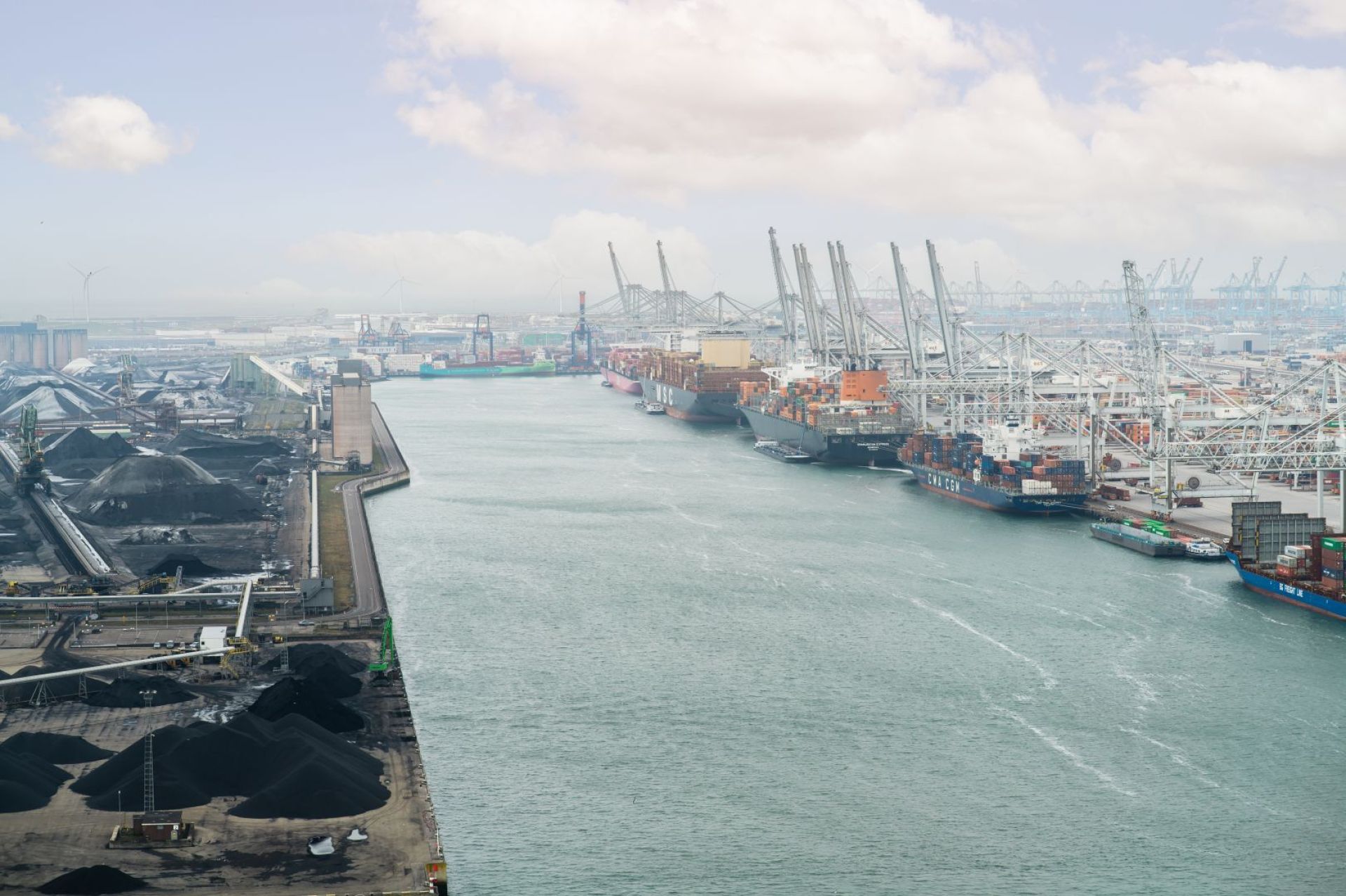
The pipeline, developed by Hynetwork, a subsidiary of Gasunie, spans about 20 miles (32 kilometers) through the port and surrounding industrial area. The line is designed to transport hydrogen from the Maasvlakte to industrial customers across the port complex.
“Now that the final weld has been made, they are finishing up the work. Then the final step will be to connect the pipeline to the hydrogen producers and consumers,” said Mark Stoelinga, manager of energy and infrastructure at the Port of Rotterdam Authority.
The pipeline is a key piece of infrastructure as European industry faces increasing regulatory pressure to reduce emissions. Hydrogen is expected to play a growing role alongside electrification and carbon capture as companies seek lower-carbon energy solutions.
Producers Line Up for Access
Uniper is advancing plans for a large green hydrogen project near the pipeline corridor. The company intends to develop a 500-MW electrolyzer, beginning with a 200-MW first phase, capable of producing about 22,000 tons of hydrogen per year, depending on operating hours.
“In the first phase, we’ll start with a 200-megawatt electrolyzer. The technical design for this is ready,” said Martijn Overgaag, who oversees hydrogen activities at Uniper.
Uniper received a €297 million ($320 million) grant for the initial phase and is working with Hynetwork on pipeline interconnection studies. The company expects to make a final investment decision in the second half of 2026, with construction targeted for 2027 and commissioning around 2030.
Pipeline Enables Early Demand
The pipeline’s importance is already evident. Shell is nearing completion of a 200-MW electrolyzer at the Maasvlakte conversion park. Hydrogen produced there will be transported via the Hynetwork pipeline to Shell’s Pernis refinery, where it will replace grey hydrogen currently used in refining operations.
Air Liquide is also building a 200-MW electrolyzer at the same site, adding to expected hydrogen volumes feeding into the region’s industrial base.
“Hynetwork’s pipeline is vitally important to Uniper,” Overgaag said. “It’s essential that future customers also contact Hynetwork in good time to arrange a connection. That is crucial for us to be able to actually deliver hydrogen to customers.”
Designed for Growth
Demand for hydrogen in the Rotterdam port area is already substantial. About 20 large industrial facilities currently consume roughly 550,000 tons of hydrogen per year, primarily produced from natural gas.
The new pipeline is designed with a capacity of about 1.2 million tons per year, intentionally exceeding current demand.
“You want to build for growth. If you tailor infrastructure to today’s demand, you’ll run up against new limitations tomorrow,” Stoelinga said.
The hydrogen pipeline runs largely parallel to existing energy corridors, including a CO₂ pipeline being developed for the Porthos carbon storage project. Future phases are expected to connect additional industrial clusters across the Netherlands, with cross-border links to Germany and Belgium planned through the Delta Rhine Corridor by the early 2030s.
The first hydrogen from Shell is expected to begin flowing through the pipeline in 2026.