

Williams Launches NESE Pipeline Construction After Years of Permitting Delays
Williams has begun construction on its NESE pipeline expansion, adding around 400 MMcf/d of capacity to the Transco system. The project is expected to boost gas supply across the Northeast by 2027.
(P&GJ) — Williams Companies has begun construction on the Northeast Supply Enhancement (NESE) project, an expansion of its Transco natural gas pipeline system designed to increase capacity into the Northeast U.S.
The project will add approximately 400,000 dekatherms per day (Dth/d), or around 400 MMcf/d of capacity across Pennsylvania, New Jersey and New York, targeting increased supply to markets with persistent winter demand constraints.
With federal and state permits secured, Williams said the project remains on track for an in-service date in the fourth quarter of 2027.
NESE is intended to improve system reliability and supply flexibility across the region by expanding existing infrastructure rather than developing a new pipeline corridor. The additional capacity is expected to support residential, commercial and power generation demand, particularly during peak winter periods.
The project will move Marcellus and Appalachian gas supplies into key Northeast markets, where limited pipeline capacity has historically constrained deliveries and contributed to price volatility.
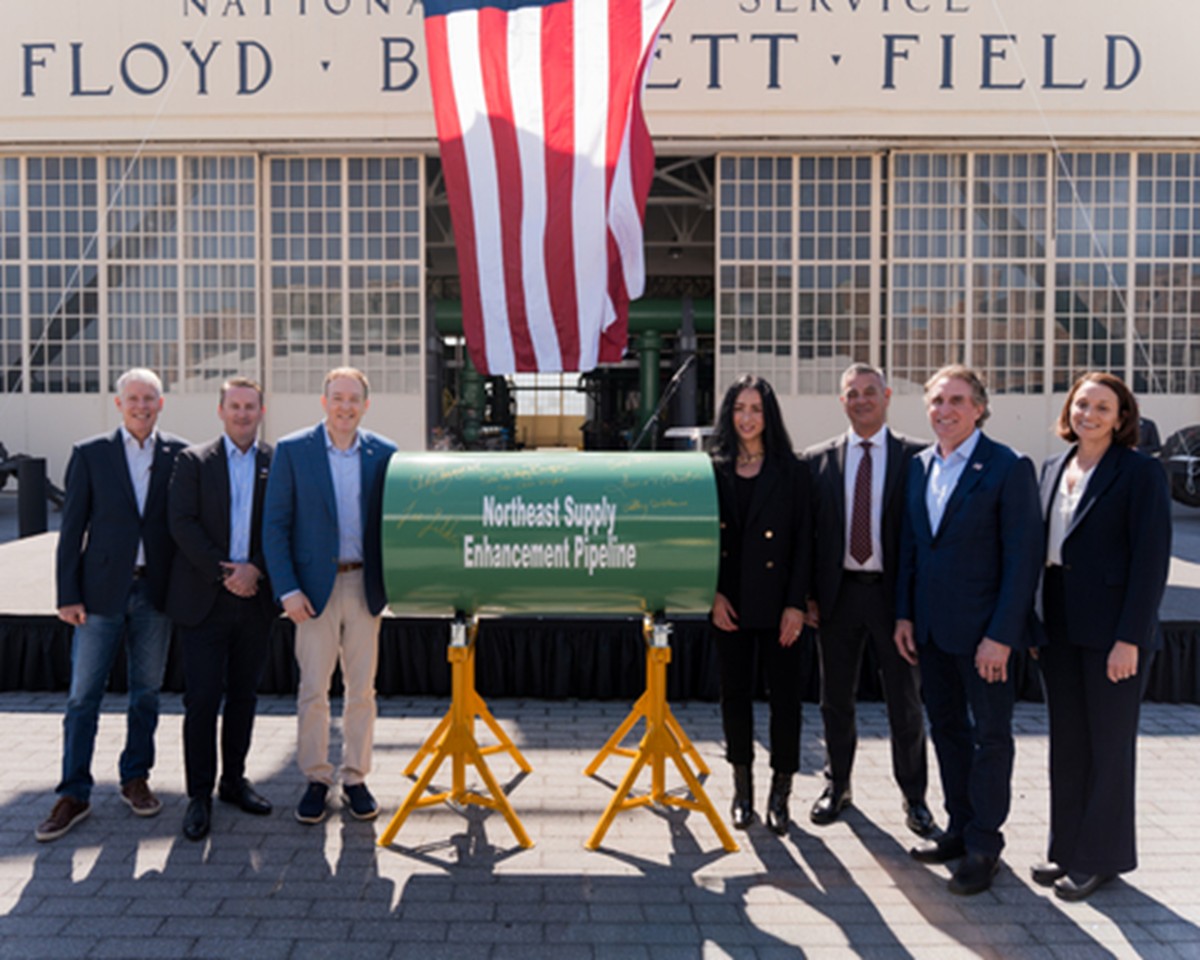
Construction began with a groundbreaking event in Brooklyn, marking the start of on-the-ground work following years of permitting and regulatory review.
Williams said the expansion will also incorporate updated materials and compression technology as part of broader efforts to improve system efficiency and reduce operational emissions.